


Wood Pellets ENplus A1
ENplus A1 Wood Pellets For Sale
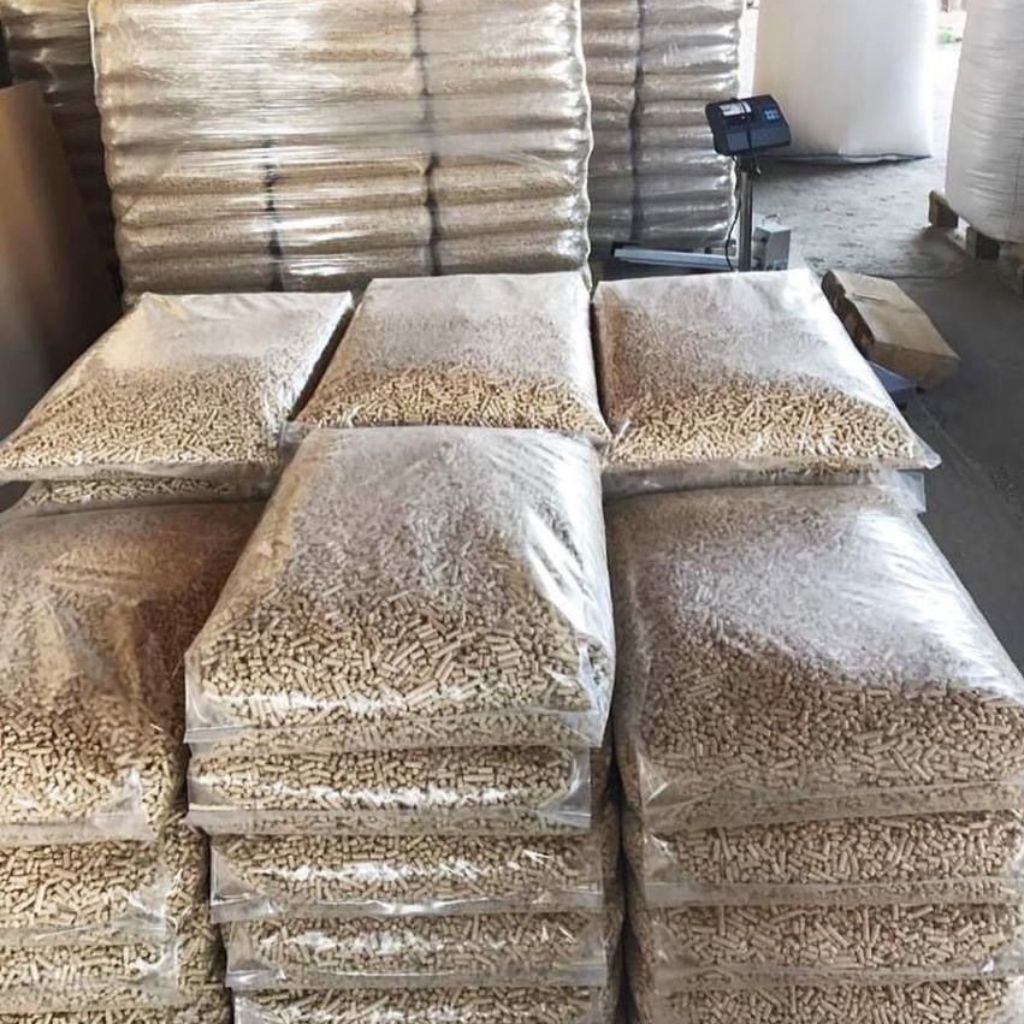
Premium quality Wood Pellets made from compressed natural wood fibers are ideal for heating and energy production. These pellets provide high efficiency with low ash content and consistent performance. They are carefully processed to ensure uniform size and density, offering a clean and reliable fuel source for stoves, boilers, and industrial energy systems. Suitable for bulk orders, these Wood Pellets guarantee long-lasting heat output and eco-friendly combustion.
Product Specification
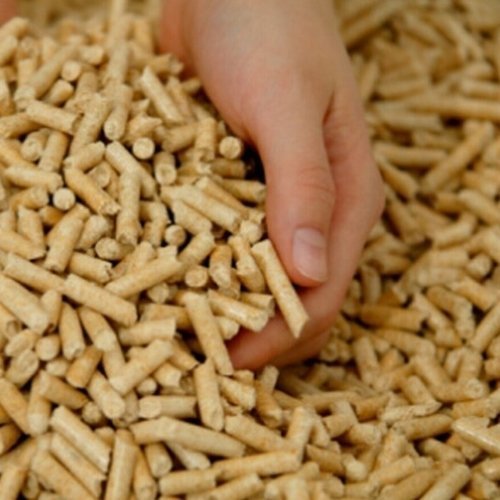
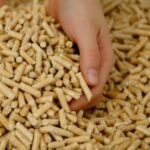
* Diameter 6mm to 8mm with uniform size for consistent burning
* Moisture content 8% to 10% ensuring high energy efficiency
* Ash content below 1% for minimal residue and easy cleaning
* Energy density 4.8 kWh per kg providing strong and steady heat output
* Length 10mm to 30mm optimized for stoves and industrial boilers
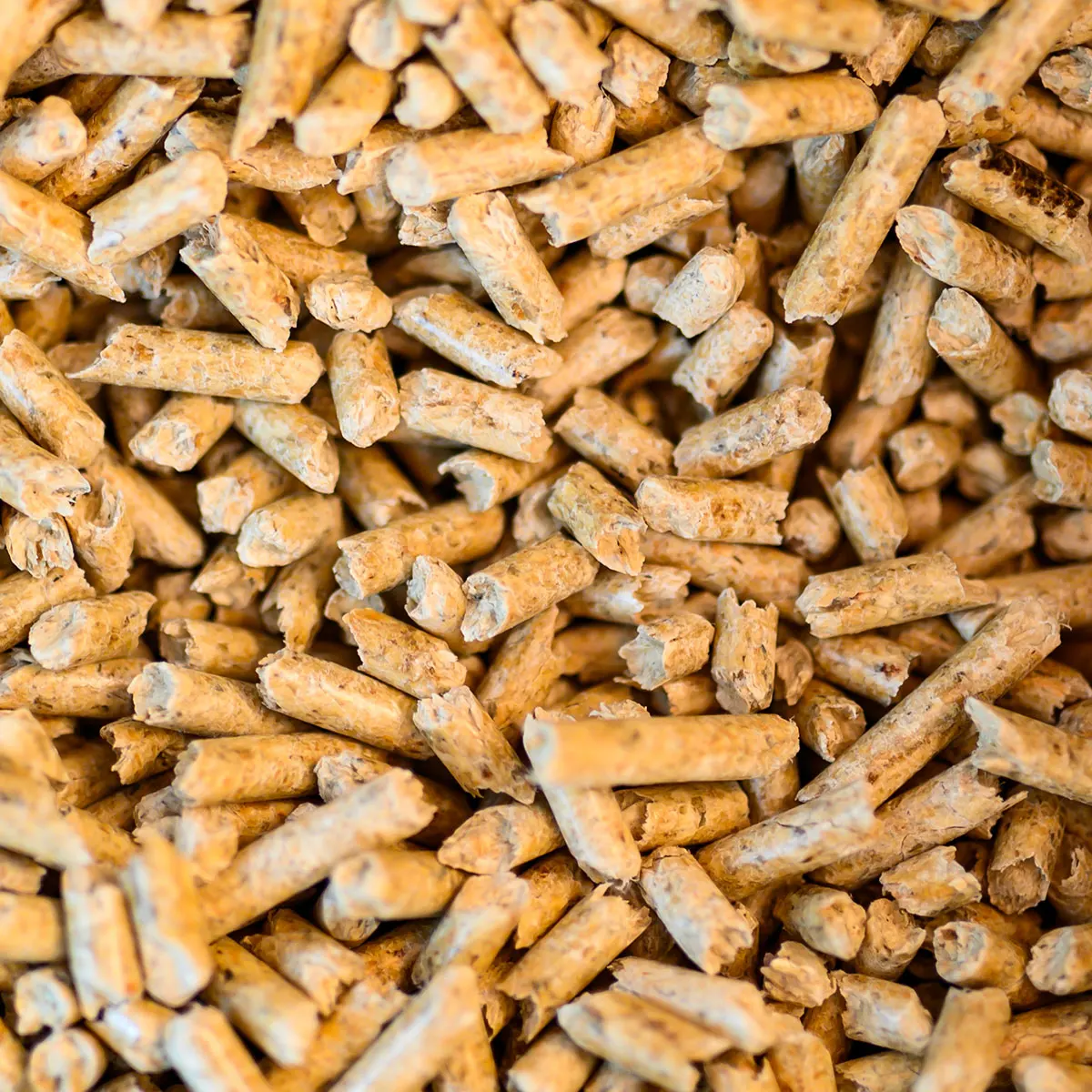
Our wood pellet specifications:
Diameter (mm): 6 mm – 8 mm
Ash (%): ≤ 0.7
Moisture (%): ≤ 10
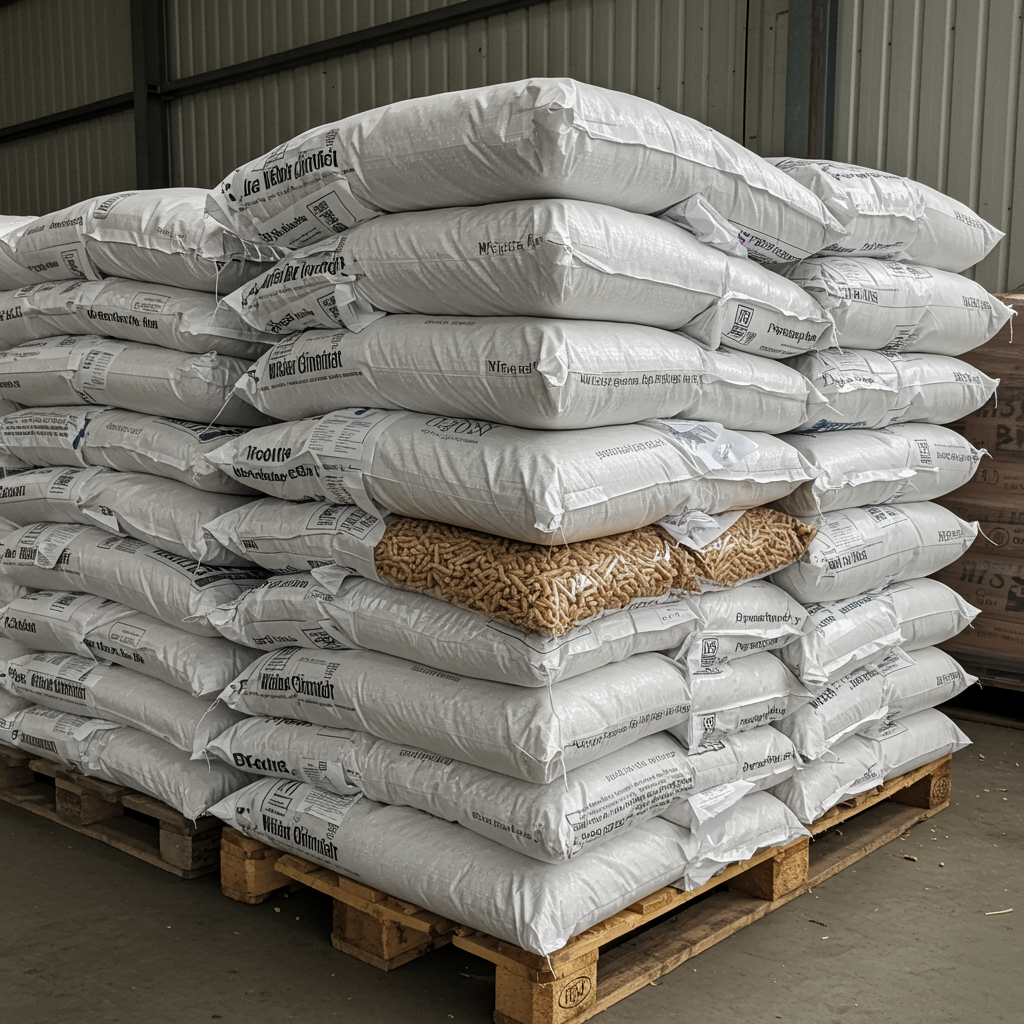
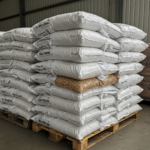
Packaging: 40 lb, 15 kg, Big Bag
Length (mm): 3.15 ≤ L ≤ 40
Heat of combustion (MJ/kg): ≥ 16.5
|
Specification Item
|
Details
|
|
Product Name
|
Wood Pellets
|
|
Material
|
100% Natural Wood
|
|
Pellet Diameter
|
6 mm / 8 mm
|
|
Pellet Length
|
10-30 mm
|
|
Moisture Content
|
≤ 10%
|
|
Ash Content
|
≤ 0.7%
|
|
Energy Density
|
≥ 16.5 MJ/kg
|
|
Bulk Density
|
650-700 kg/m³
|
|
Color
|
Light Brown
|
|
Calorific Value
|
≥ 4800 kcal/kg
|
|
Packaging
|
15 kg / 20 kg / 25 kg PP Bags
|
|
Storage
|
Keep Dry and Ventilated
|
|
Application
|
Heating, BBQ, Industrial Fuel
|
|
Shelf Life
|
12 Months
|
Description of A1 Wood Pellets
Wood pellets have gained increasing popularity as a sustainable and efficient heating solution in recent years. With a strong emphasis on renewable energy sources and environmental concerns, wood pellets offer a cost-effective and clean-burning alternative for heating homes and businesses. In this comprehensive guide, we’ll delve into the world of wood pellets, exploring their production, benefits, applications, and how they contribute to a greener future.
What are wood pellets?
Wood pellets are a type of biomass fuel made from compressed wood fibers, typically obtained from sawdust, wood chips, and other wood waste materials. These small, cylindrical pellets are created using a combination of heat, pressure, and binding agents to form a dense, uniform product. The resulting pellets are consistent in size and shape, making them easy to handle, transport, and burn.
Raw materials for pellet production
The raw materials used in the production of wood pellets play a crucial role in the quality and sustainability of the final product. Primary sources of raw materials include:
- Sawdust: Generated during the sawmill process, sawdust is an easily available and commonly used material for pellet production.
- Wood chips: The chips produced by grinding or other woodworking processes are also ideal for pellet production.
- Wood chips: Coarser wood chips can be used, especially in larger industrial pellet plants.
- Logging waste: Leftover wood from thinning, harvesting or forest processing can be used.
- Agricultural waste: Some pellet production facilities use agricultural waste such as straw and corn stubble as raw material.
The choice of raw material can affect the pellet’s energy density, combustion efficiency, and ash content. In some cases, specialty pellets are produced using specific types of wood, such as hardwood or softwood, for particular applications.
A1 Pellet Production Process
The production of A1 wood pellets involves a series of steps designed to transform raw wood materials into the compact, energy-rich pellets used for heating and power generation. Here is an overview of the wood pellet manufacturing process:
- Wood preparation: The first step involves collecting and preparing the raw wood materials. This may include debarking, chipping, or grinding the wood to create uniform particle sizes. Proper moisture content is critical at this stage to facilitate pellet formation.
- Drying: The prepared wood particles are typically dried to reduce moisture content. The ideal moisture level for pellet production is generally around 10-15%. Excess moisture can lead to poor pellet quality and storage problems.
- Pelletizing: Dry wood particles are fed into a pellet mill, where they are subjected to high pressure and heat. This process softens the lignin in the wood, allowing it to act as a natural binding agent. The wood is then forced through small holes in a die, forming the characteristic cylindrical shape of wood pellets.
- Cooling: The freshly formed pellets are hot and soft, so they are transported to a cooler, where they are rapidly cooled using ambient air. This cooling process helps to stabilize the pellets and reduces the risk of breakage during handling and storage.
- Screening and packaging: After cooling, the pellets are screened to remove fines and dust, ensuring a uniform product. The final step is to package the pellets in bags or bulk containers for distribution and sale.
Two critical factors in the pellet production process are moisture content and particle size:
- Moisture content: Controlling moisture content is vital for producing high-quality pellets . Too much moisture can cause pellets to become soft and crumble, while too little moisture can lead to excessive wear on the pellet mill. Advanced drying systems are used to maintain the optimal moisture level.
- Particle size: The size of the wood particles before pelleting affects pellet quality and performance. Particles that are too large may not bind properly, while particles that are too small can result in poor pellet density. Precise particle size control is achieved through grinding or chipping processes.
Buy Wholesale A1 EnPlus Pellets Online In UK
Benefits of using A1 wood pellets
Wood pellets offer a range of benefits that make them an attractive option for heating and power generation. These advantages encompass both environmental and economic aspects:
Environmental advantages:
Wood pellets are considered carbon neutral because the carbon dioxide released during combustion is roughly equivalent to the carbon dioxide absorbed by the trees during their growth. This cycle makes wood pellets a sustainable, low-carbon energy source.
– When sourced responsibly, wood pellets promote sustainable forestry practices. The trees used for pellet production often come from managed forests, ensuring the continued growth of new trees.
Compared to fossil fuels, wood pellets produce significantly lower emissions of pollutants such as sulfur dioxide (SO2), nitrogen oxides (NOx), and particulate matter. This contributes to better air quality and reduces the environmental impact of heating and power generation. Buy wood pellets for home heating.
Financial advantages:
-Cost-effective: A1 wood pellets are often more cost-effective than traditional heating fuels such as heating oil or propane. The stable price of wood pellets can provide long-term cost savings. You buy wood pellets because they cost less than other fuel sources.
-Energy efficiency: Pellet stoves and boilers are highly efficient, with combustion efficiencies often exceeding 80%. This means that a significant portion of the energy content of wood pellets is converted into usable heat.
Renewable energy incentives: Many regions offer financial incentives, tax credits, or subsidies to encourage the use of renewable energy sources, including wood pellets. These incentives can further reduce the cost of using wood pellets for heating or power generation.
Local economy: The wood pellet industry supports local economies by creating jobs in forestry, manufacturing, and distribution. It also reduces dependence on imported fossil fuels.
Versatility and convenience:
Wood pellets are easy to handle, store, and transport due to their compact size and shape. They can be conveniently stored in bags, bulk containers, or silos.
-Wood pellets are manufactured to strict quality standards, ensuring consistent performance and minimal maintenance for heating equipment.
Wood pellet stoves and boilers produce minimal ash compared to traditional wood-burning stoves, reducing the need for frequent cleaning.
Wood pellets offer a compelling combination of environmental sustainability and cost savings, making them an increasingly popular choice for residential, commercial, and industrial heating applications.
Price of wood pellets
The price of wood pellets ranges from $ 195 to $320 depending on your supplier, the quantity you buy, and the packaging; 15 kg packaging will cost more than free loading or large bags.
Types of wood pellets
Wood pellets come in several classifications and types based on their raw materials and intended applications. Understanding these classifications can help consumers choose the right type of pellet for their specific needs. Here are some common types of wood pellets:
- Standard wood pellets:
- These are the most common types of wood pellets used for heating residential homes.
- Standard wood pellets are generally made from a mixture of hardwood and softwood sawdust.
- They are known for their consistent quality and suitability for a wide range of pellet stoves and boilers.
- Premium wood pellets:
- Premium wood pellets are produced to higher quality standards and are often made from a single species of wood.
- They have a lower ash content and fewer impurities, making them ideal for high-efficiency pellet stoves and boilers.
- Premium pellets may be more expensive than standard pellets, but they offer better performance.
- Industrial wood pellets:
- Industrial wood pellets are manufactured for large-scale applications, such as biomass power plants and industrial heating systems.
- They are generally made from wood waste and by-products of the timber and forestry industries.
- These pellets are designed for efficient combustion and are subject to strict quality control.
Buy quality A1 wood pellets and have them delivered to your address with ease from SG wood.
Buy wood pellets , wood pellets , wood pellets Bilbao , wood pellets Cordoba , wood pellets Seville , sale of wood pellets

Reviews
There are no reviews yet.